
 Our Address: 4083 W Ave L., Lancaster, CA 93536
  Find us on Social Media:


Beyond the Breaker Box: Why Mini Split Circuits Deserve a Professional Electrician
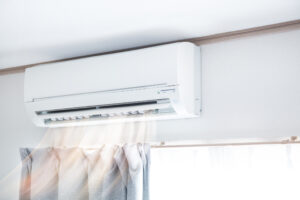
Mini split systems have become one of the most popular ways to heat and cool individual rooms without the cost or hassle of central HVAC ductwork. But before a mini split can run efficiently, it needs the right electrical foundation behind it. The circuit powering your mini split isn’t something to leave to guesswork, and getting it wrong can lead to performance issues, safety hazards, or a failed inspection.
What Makes Mini Split Wiring Different from Standard Circuits?
Mini split systems draw a different electrical load than a typical outlet or light fixture, and most require their own dedicated circuit rather than sharing power with other appliances. The outdoor condenser and indoor air handler both need to be wired to precise electrical specifications, including the correct breaker size, wire gauge, and, in many cases, a disconnect switch near the outdoor unit. Getting any of these details wrong can affect performance or trip the system unexpectedly.
Why Does a Dedicated Circuit Matter?
Running a mini split off a shared circuit with other appliances increases the risk of overloading the system. A dedicated circuit ensures the unit gets consistent, uninterrupted power without competing against your refrigerator, washer, or other high-draw devices. This matters for both day-to-day reliability and the long-term health of the equipment. Without one, homeowners and business owners may notice:
- Breakers tripping during high-demand periods
- Inconsistent heating or cooling performance
- Increased wear on the mini split’s components
- Voltage fluctuations that shorten equipment lifespan
What Happens If the Circuit Isn’t Sized Correctly?
Mini split manufacturers specify exact voltage, amperage, and wire gauge requirements for each unit, and these requirements vary by model and system size. An undersized circuit can cause the system to underperform or shut down under load, while improper wiring introduces real safety risks, including overheating. A licensed electrician reviews the manufacturer’s specifications and designs the circuit to match, rather than relying on a one-size-fits-all approach.
Do Mini Splits Need a Disconnect Switch?
In most cases, yes. Local and national electrical codes typically require a disconnect switch near the outdoor condenser unit, allowing power to be safely shut off for maintenance or emergencies. This is a detail that’s easy to overlook without electrical code knowledge, and skipping it can result in a failed inspection or complications when it’s time to service the system.
Is Mini Split Installation a DIY-Friendly Project?
Mini split systems are often marketed as simpler alternatives to central HVAC, but the electrical work behind them still requires licensed expertise. Incorrect wiring can void manufacturer warranties, create fire hazards, and lead to costly rework. A professional electrician ensures the circuit is:
- Properly sized for the specific mini split model
- Installed with code-compliant breakers and disconnects
- Positioned to safely support both indoor and outdoor components
- Inspected and ready to pass local code requirements
Why Work With a Licensed Electrician for Mini Split Circuits?
Whether you’re adding a mini split to a single room or installing a multi-zone system throughout your home or business, the electrical work is the foundation that determines how well the system performs. A licensed electrician brings the knowledge of local code requirements, manufacturer specifications, and safe installation practices needed to get it right the first time, saving you from costly troubleshooting later.
Sonner Electric provides professional electrical installation for mini split systems, ensuring every circuit is sized, wired, and inspected to code. Call 661-728-0126 to schedule your mini split electrical installation or consultation.