
 Our Address: 4083 W Ave L., Lancaster, CA 93536
 Find us on Social Media:



Workplace EV Charging Stations: What Business Owners Should Know Before Installing Chargers for Employees and Customers
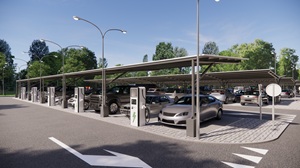
Electric vehicles are no longer a niche purchase. More employees are driving them to work, and more customers are choosing where to shop, eat, and stay based on whether they can charge while they’re there. Installing EV charging stations at your business can help attract customers, keep employees happy, and show that your company is planning ahead. A successful charging project starts well before the first charger is mounted, though. At Sonner Electric, we help business owners understand the electrical side of workplace EV charging so the system is safe, reliable, and built to grow.
Why Businesses Are Adding EV Charging Stations
Workplace charging has moved from a novelty to an expected amenity. Business owners usually install chargers for a few practical reasons.
- Attracting and Keeping Customers
EV drivers plan their stops around charging. A retail store, restaurant, medical office, or hotel with available chargers gives those drivers a reason to choose it and to stay longer. Longer visits often mean more spending.
- Supporting Employees
For employees who can’t charge at home, such as renters or people without a garage, workplace charging is a real benefit. It can help with recruiting and retention, and it shows your company is paying attention to how people get to work.
- Preparing Commercial Fleets
If your business runs delivery vans, service trucks, or company cars, electric fleet vehicles may be in your future. On-site charging lets you power those vehicles overnight and keep operations on schedule.
Understanding Commercial EV Charger Types
Not every charger suits every business. The right choice depends on how long vehicles will be parked and how much electrical capacity your property has.
Level 2 Chargers
Level 2 chargers are the most common option for workplaces and retail locations. They run on 208- or 240-volt power and can add a meaningful amount of range over a few hours. That makes them a good fit for employees parked through a shift or customers on a longer visit. They’re also simpler and cheaper to install than fast chargers.
DC Fast Chargers
DC fast chargers can charge a vehicle much more quickly, so they suit locations where drivers stop briefly, such as convenience stores, travel centers, or fleet depots that need quick turnarounds. They require significantly more power, usually three-phase service, and often major electrical infrastructure upgrades. Installation costs are higher, and planning takes longer.
Assessing Your Building’s Electrical Capacity
The biggest question in any commercial EV charging project is whether your existing electrical service can handle the added load. Every charger draws a large, continuous amount of power, and several chargers running at once can push an older service past its limits.
A professional assessment typically includes:
- Reviewing your current service size and how much capacity is already in use during peak business hours
- Evaluating your panels and switchgear to see whether there is room for new circuits
- Checking your power configuration, because many commercial chargers perform best with three-phase power. Learn more about single-phase and three-phase circuits and how they affect commercial equipment.
- Planning for future expansion so you can add chargers later without starting over
If your service is close to capacity, there are options. Load management systems can share available power among several chargers, and a service upgrade can make room for current and future demand.
Choosing the Right Location for Chargers
Where you put your chargers affects cost, convenience, and safety. Long trenching runs from the electrical room to a far corner of the parking lot add expense, so placing chargers closer to existing electrical infrastructure can keep costs down.
Other factors to consider:
- Visibility and access. Customers should be able to find the chargers easily, and the spaces should be convenient without blocking traffic flow.
- Accessibility. At least some charging spaces should be designed with accessibility in mind, with enough room and clear paths for all drivers.
- Lighting and security. Drivers often charge early in the morning or after dark, so well-lit charging areas help them feel safe and discourage vandalism.
- Weather protection. In the high desert, chargers and equipment need to stand up to intense sun, heat, wind, and dust.
Permits, Codes, and Professional Installation
Commercial EV charging installations involve high-amperage circuits, outdoor equipment, and sometimes trenching through pavement. That means permits, inspections, and strict adherence to electrical codes. Mistakes can lead to failed inspections, nuisance tripping, equipment damage, or safety hazards for anyone using the chargers.
A licensed commercial electrician handles:
- Load calculations to confirm your service can support the chargers safely
- Circuit design and conductor sizing matched to each charger’s requirements
- Permit applications and inspections with the local building department
- Trenching, conduit, and mounting, whether chargers are wall-mounted or on pedestals
- Testing and commissioning so every charger works correctly from day one
Our team handles every part of the process for EV charging station installation, from the first assessment to the final inspection.
Planning for Ongoing Maintenance
Once your chargers are running, they need regular attention. Outdoor equipment takes a beating from the weather, cables and connectors wear out with daily use, and connected chargers may need software updates. Scheduling routine inspections helps catch loose connections, damaged cords, and overheating components before they cause downtime or safety problems.
Frequently Asked Questions
Business owners exploring EV charging often have similar questions.
How many chargers should my business install?
It depends on your parking capacity, how many employees or customers drive EVs, and your budget. Many businesses start with two to four Level 2 chargers and install extra conduit during the first project so expansion is easier later.
Can I charge drivers for using the stations?
Yes. Many networked chargers let businesses set pricing, require payment, or offer free charging to employees while charging the public. Your choice of charger will determine which options are available.
How long does a commercial EV charger installation take?
A small Level 2 installation close to existing electrical service may take only a few days once permits are approved. Larger projects, especially those needing service upgrades or DC fast chargers, can take several weeks to plan and complete.
Do I need to upgrade my electrical service?
Not always. Some properties have enough spare capacity for a few Level 2 chargers. A professional load assessment is the only reliable way to know.
Power Your Business into the Future with Professional EV Charging Installation
Adding EV charging stations is an investment in your customers, your employees, and your company’s future. With the right planning, from capacity assessment to charger placement and code-compliant installation, your chargers will run safely and reliably for years. The commercial electricians at Sonner Electric are ready to help you evaluate your property, choose the right equipment, and handle the installation from start to finish. Call 661-728-0126 today to discuss EV charging for your business.