
 Our Address: 4083 W Ave L., Lancaster, CA 93536
 Find us on Social Media:



Portable Generator Ready? Why a Transfer Switch Installation Is the Safe Way to Power Your Home During an Outage
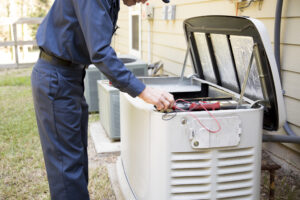
When the power goes out, a portable generator can keep your refrigerator cold, your lights on, and your phones charged. Many homeowners don’t realize that how the generator connects to the house matters as much as the generator itself. Running extension cords through a window is a hassle. Plugging a generator straight into a household outlet is dangerous. A transfer switch fixes both problems by giving your generator a safe, dedicated path into your home’s electrical system. At Sonner Electric, we help homeowners set up backup power the right way, so it’s ready and safe when the lights go out.
What Is a Transfer Switch?
A transfer switch is an electrical device installed next to or connected to your main electrical panel. It lets you move selected circuits in your home from utility power to generator power. When it’s set to generator mode, it physically disconnects those circuits from the utility lines, so the two power sources can never mix.
In simple terms, a transfer switch is a controlled doorway between your generator and your home’s wiring. Instead of running cords to individual appliances, you plug the generator into an inlet box outside, flip the switch, and power flows to the circuits you’ve chosen, such as the refrigerator, furnace blower, well pump, lights, or a few key outlets.
Why You Should Never Backfeed Your Home
Some people try to power their homes by plugging a generator into a dryer or wall outlet with a double-ended cord, sometimes called a “suicide cord.” This is called backfeeding, and it’s one of the most dangerous electrical shortcuts a homeowner can take.
The Risk to Utility Workers
Backfeeding sends generator electricity out of your home and onto the utility lines, unless the main breaker has been shut off, which people often forget during a stressful outage. Once it reaches the neighborhood transformer, the voltage is stepped up, and line crews working to restore power can be seriously injured or killed by lines they believed were dead.
The Risk to Your Home and Generator
Backfeeding also puts your household at risk. A double-ended cord has exposed, energized prongs that can shock anyone who touches them. When utility power comes back while the generator is still connected, the surge can destroy the generator, damage your appliances, or start an electrical fire. A properly installed transfer switch makes it impossible for the two sources to connect at the same time.
Benefits of Installing a Transfer Switch
Beyond safety, a transfer switch makes outages far easier to manage. These are the main advantages homeowners notice:
- Power for hardwired equipment. Furnaces, well pumps, ceiling lights, and garage door openers can’t be plugged into an extension cord. A transfer switch lets your generator run them.
- No cords running through the house. You won’t have to prop doors or windows open, which keeps out cold, heat, dust, and pests.
- Faster setup. Once the system is installed, switching to backup power takes a few minutes.
- Better load management. You choose ahead of time which circuits get generator power, so you’re less likely to overload the generator.
- Code compliance. Local electrical codes generally require a transfer device whenever a generator connects to a home’s wiring, and a professional installation meets those requirements.
Manual vs. Automatic Transfer Switches
There are two main types of transfer switch. The right one depends on your generator and how you want backup power to work.
Manual Transfer Switches
A manual transfer switch is the most common choice for homes with a portable generator. When the power goes out, you roll the generator outside, connect it to the inlet box, start it, and flip the switch to generator mode. Manual switches cost less and work well for homeowners who don’t mind a few minutes of setup.
Automatic Transfer Switches
An automatic transfer switch pairs with a permanently installed standby generator. It senses when utility power drops, starts the generator, and shifts your home to backup power within seconds, whether or not anyone is home. It costs more, but it makes sense for families who rely on medical equipment, work from home, or travel often.
Interlock Kits as an Alternative
Some homes can use an interlock kit instead. This is a mechanical plate on the main panel that keeps the main breaker and the generator breaker from being on at the same time. A licensed electrician can tell you whether your panel supports one and whether it meets local requirements.
What to Expect During a Professional Installation
Installing a transfer switch takes more than mounting a box on the wall. A qualified electrician will usually:
- Review your generator. We check its wattage and outlet type so the switch and inlet are matched to it.
- Help you choose priority circuits. Together we decide which circuits matter most during an outage and make sure the total load stays within your generator’s capacity.
- Inspect your electrical panel. Older or overcrowded panels may need updates first. If your panel is outdated, an electrical panel upgrade may be the right first step.
- Install the switch and the exterior inlet. The inlet box gives you a weather-resistant place outside to plug in the generator.
- Pull permits and test the system. We make sure everything meets code and confirm that power moves safely between utility and generator.
Signs Your Home Could Benefit From a Transfer Switch
A transfer switch is worth considering if any of these apply to you:
- You already own a portable generator or plan to buy one
- Your area has frequent or long outages caused by storms, high winds, or utility shutoffs
- You depend on a well pump, a sump pump, or medical devices
- You work from home and need reliable power for internet and computers
- You’re tired of running extension cords through the house every time the power fails
Homeowners in the Antelope Valley know that wind events and summer heat can strain the power grid. Having a safe generator connection ready before the next outage brings real peace of mind.
Frequently Asked Questions
These are some of the questions homeowners ask us most often about transfer switches.
Can I install a transfer switch myself?
It isn’t recommended. Installation means working inside your main electrical panel, sizing conductors correctly, and meeting local code and permit requirements. A mistake can create shock and fire hazards, so this job belongs with a licensed electrician.
How long does installation take?
Most residential manual transfer switch installations are finished in a single day. The exact time depends on your panel, where the inlet goes, and how many circuits you want connected.
Will a transfer switch work with any generator?
Most portable generators with a 30-amp or 50-amp outlet can connect to a properly matched transfer switch. Your electrician will check that the generator and switch are compatible before installation.
Does a transfer switch protect my circuit breakers?
A transfer switch works together with your breakers, which still protect each circuit from overloads. If you’ve noticed breakers tripping often, have them checked. Learn more about our circuit breaker services.
Get Your Home Outage-Ready With a Professional Transfer Switch Installation
A portable generator is only as safe as its connection to your home. A transfer switch protects your family, your appliances, and the utility crews working to get the power back on, and it makes outages much easier to handle. If you’re ready to set up safe, reliable backup power, the experienced electricians at Sonner Electric can help you choose the right switch, size your circuits, and install everything to code. Call 661-728-0126 today to schedule your transfer switch installation.