
 Our Address: 4083 W Ave L., Lancaster, CA 93536
  Find us on Social Media:


Powering Your Equipment Safely: What Every Business Should Know About Professional Equipment Hook-Ups
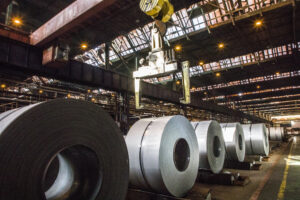
When a business invests in new equipment—whether it’s a commercial kitchen appliance, a piece of manufacturing machinery, or a heavy-duty HVAC unit—the excitement of putting it to work can overshadow one critical step: connecting it to power correctly. Equipment hook-ups might seem straightforward, but they’re one of the most common places where businesses run into safety violations, performance problems, and expensive repairs. At Sonner Electric, we make sure your equipment is wired right the first time.
Why Equipment Hook-Ups Are More Complicated Than They Look
Commercial equipment often has demanding electrical requirements that go well beyond a standard outlet. Voltage, amperage, phase, and dedicated circuit needs vary widely from one machine to the next, and getting any of these details wrong can lead to serious trouble. An improperly connected unit might underperform, overheat, trip breakers constantly, or fail long before its expected lifespan.
The stakes climb higher when you factor in code compliance. Commercial electrical work is governed by strict standards, and equipment that isn’t hooked up correctly can put your business out of step with regulations—sometimes without anyone realizing it until an inspection or an incident.
Staying on the Right Side of OSHA
OSHA standards exist to protect workers, and electrical hazards are a major focus. Equipment that’s connected improperly can expose employees to shock risks, arc flash, or fire hazards. A violation doesn’t just create danger on the floor—it can result in penalties, shutdowns, and liability that no business wants to face.
Professional equipment hook-ups keep you compliant by ensuring:
- Correct circuit sizing and grounding for each piece of equipment
- Proper disconnects and overcurrent protection where required
- Code-compliant wiring methods suited to your facility and equipment type
- Documentation and inspection readiness so you’re prepared when it counts
The Real Cost of Cutting Corners
It can be tempting to have equipment connected quickly by whoever is available, but shortcuts here tend to get expensive. Improper hook-ups can void manufacturer warranties, damage the equipment itself, and create downtime that halts operations. When a critical machine goes down because of a wiring problem, the cost isn’t just the repair—it’s the lost productivity, missed deadlines, and disrupted workflow that come with it.
There’s also the matter of safety-related liability. If faulty wiring leads to an injury or a fire, the consequences reach far beyond the equipment. Professional installation is a small investment compared to what a preventable incident can cost.
What Professional Installation Looks Like
An experienced commercial electrician starts by reviewing the equipment specifications and your facility’s electrical capacity. This often means confirming that your panel and circuits can handle the added load, and upgrading infrastructure if they can’t. From there, the electrician installs the appropriate wiring, connections, and protective devices, then tests everything to confirm the equipment runs safely and efficiently.
This methodical approach prevents the guesswork that causes so many hook-up failures. It also gives you confidence that your equipment will perform the way the manufacturer intended, for as long as it should.
Protect Your Investment and Your People
Your equipment represents a significant investment, and the people who operate it deserve a safe environment. Professional equipment hook-ups protect both. By working with an experienced commercial electrical team, you avoid violations, reduce downtime, and keep your operation running smoothly.
When you’re bringing new equipment online, don’t leave the electrical work to chance. Call Sonner Electric at 661-728-0126 to schedule professional equipment hook-up services that keep your business safe, compliant, and productive.