
 Our Address: 4083 W Ave L., Lancaster, CA 93536
  Find us on Social Media:


Single-Phase vs. Three-Phase Power: How Choosing the Right Electrical System Impacts Commercial Operations
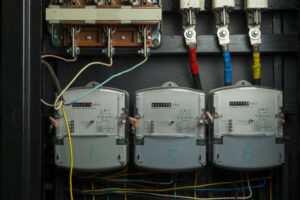
For many business owners, electrical systems are out of sight and out of mind—until something goes wrong. One of the most important yet commonly misunderstood decisions in commercial electrical design is whether a facility should use single-phase or three-phase power. Choosing the wrong system can lead to inefficiencies, higher operating costs, and equipment performance issues.
Understanding how these systems differ and how they affect daily operations can help businesses make smarter, future-proof electrical decisions.
What Is Single-Phase Power?
Single-phase power is the most common type of electrical service used in residential settings and small commercial spaces. It delivers electricity through a single alternating current waveform and is typically sufficient for basic lighting, office equipment, and low-demand appliances.
In commercial environments, single-phase power may work well for small offices, retail spaces, or professional services with limited electrical loads. However, as equipment demands increase, single-phase systems can become strained, leading to inconsistent performance and limited scalability.
What Is Three-Phase Power?
Three-phase power delivers electricity through three synchronized waveforms, providing a more constant and balanced flow of energy. This type of system is commonly used in larger commercial and industrial facilities where equipment requires higher power loads.
Three-phase power is especially beneficial for operating heavy machinery, HVAC systems, commercial kitchens, manufacturing equipment, and other high-demand applications. Because power delivery is more consistent, equipment runs more efficiently and experiences less wear over time.
Key Differences That Affect Business Performance
The difference between single-phase and three-phase power goes beyond technical specifications—it directly affects how your business operates.
Three-phase systems are more efficient for high-load equipment, reducing energy loss and improving performance. Motors powered by three-phase electricity tend to run smoother, quieter, and with less vibration. This can extend equipment lifespan and reduce maintenance costs.
Single-phase systems, while simpler and less expensive upfront, may struggle to handle expanding electrical demands. As businesses grow or add new equipment, limitations in power capacity can create operational bottlenecks.
Why System Selection Matters for Code Compliance and Safety
Using an electrical system that does not match your operational needs can create safety risks. Overloaded circuits, improper equipment hookups, and voltage instability increase the likelihood of electrical failures and code violations.
Commercial facilities are subject to strict electrical and OSHA standards. Selecting the correct power system from the outset helps ensure compliance and reduces the risk of costly retrofits or downtime later.
Sonner Electric works with commercial clients to evaluate electrical demands and ensure systems are designed and installed to meet both current needs and future growth.
Planning for Growth and Equipment Upgrades
One of the biggest mistakes businesses make is planning electrical systems only for current operations. Adding equipment, expanding floor space, or upgrading technology can quickly exceed the capacity of a single-phase system.
Three-phase power offers greater flexibility for growth. Even if not all capacity is used immediately, having the infrastructure in place allows businesses to scale without major electrical overhauls.
An experienced commercial electrician can help determine whether upgrading to three-phase power is a strategic investment based on long-term operational goals.
Why Professional Assessment Is Essential
Determining the right electrical system requires more than a rough estimate of power needs. Load calculations, equipment specifications, and building infrastructure all play a role in making the right choice.
Sonner Electric provides professional evaluations to help business owners understand their electrical requirements and avoid costly missteps. From new construction to tenant improvements and system upgrades, expert guidance ensures that electrical systems support efficiency, safety, and reliability.
If you are planning a new commercial space, upgrading equipment, or experiencing electrical limitations, choosing the right power system is a critical step. Contact Sonner Electric at 661-728-0126 to schedule a consultation and ensure your electrical infrastructure supports your business now and in the future.