
 Our Address: 4083 W Ave L., Lancaster, CA 93536
  Find us on Social Media:


Why Installing an EV Charging Station at Home Requires a Licensed Electrician
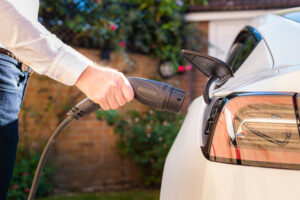
Electric vehicles are becoming increasingly common on roads throughout California, and many homeowners are choosing to install EV charging stations at home for added convenience. Charging your vehicle overnight in your own garage eliminates the need for frequent public charging stops and makes daily driving easier. However, installing an EV charging station is not as simple as plugging in a new appliance.
Electric vehicle chargers require specialized electrical work to ensure safety, reliability, and code compliance. That is why homeowners should always work with a licensed electrician when installing a charging station. At Sonner Electric, our experienced electricians help homeowners install EV charging systems that operate safely and efficiently.
EV Chargers Require Significant Electrical Capacity
Unlike typical household electronics, EV chargers draw a substantial amount of electricity. Many Level 2 charging stations—the most common type installed in homes—require a dedicated 240-volt circuit similar to what powers large appliances like dryers or ovens.
This increased electrical demand means the home’s electrical system must be evaluated before installation. An electrician may need to determine:
- Whether the electrical panel has sufficient capacity
- If a dedicated circuit is required
- Whether wiring upgrades are necessary
- If the panel can safely support additional load
Attempting to install an EV charger without properly assessing these factors could lead to overloaded circuits or other electrical problems.
Proper Circuit Installation Protects Your Home
An EV charging station must be connected to a dedicated circuit designed specifically for the charger’s power requirements. This circuit must include the correct wiring size, breaker rating, and grounding to safely handle the electrical load.
Professional installation helps ensure that:
- Wiring is sized correctly for the charger’s amperage
- Circuit breakers are properly matched to the equipment
- Electrical connections meet safety standards
- The system operates reliably without overheating
These steps are essential for protecting both your home and your vehicle.
Electrical Codes Must Be Followed
Electrical installations must comply with national and local electrical codes. These codes are designed to reduce fire risks and ensure safe electrical operation.
EV charging stations often require permits and inspections depending on the municipality. Licensed electricians understand the permitting process and ensure the installation meets current safety regulations.
Working with professionals like the electricians at Sonner Electric helps ensure the project is completed according to code requirements and passes inspection without complications.
Placement and Installation Planning Matter
Choosing the right location for an EV charger is another important part of the installation process. Chargers are typically installed in garages, driveways, or exterior walls where vehicles are parked.
A professional electrician will consider several factors when planning installation:
- Distance from the electrical panel
- Cable length needed for comfortable charging access
- Indoor versus outdoor mounting requirements
- Weather protection and environmental conditions
Proper planning ensures the charging station is both convenient and safe to use.
Future-Proofing Your Electrical System
Electric vehicle ownership is expected to continue growing in the coming years. Installing an EV charging station today may also be part of preparing a home for future technology.
In some cases, electricians may recommend upgrades that help support future electrical needs, such as:
- Additional panel capacity
- Solar-ready electrical systems
- Electrical infrastructure for multiple chargers
These improvements can help homeowners adapt as technology evolves.
Professional Installation Provides Peace of Mind
Because EV chargers involve high electrical loads and specialized equipment, professional installation is essential. A licensed electrician can evaluate your home’s electrical system, install the proper circuits, and ensure everything functions safely.
At Sonner Electric, we help homeowners install EV charging stations that provide reliable performance and meet all electrical safety standards. If you are considering installing an electric vehicle charging station at your home, contact our team at 661-728-0126 to learn how we can help with safe and professional installation.